Stucco Cracks: Which Ones Matter and How They Are Repaired
Some hairline cracking is normal in cement stucco. Cracks wider than 1/32 inch, long straight cracks and a lot of cracking are the ones to have looked at.
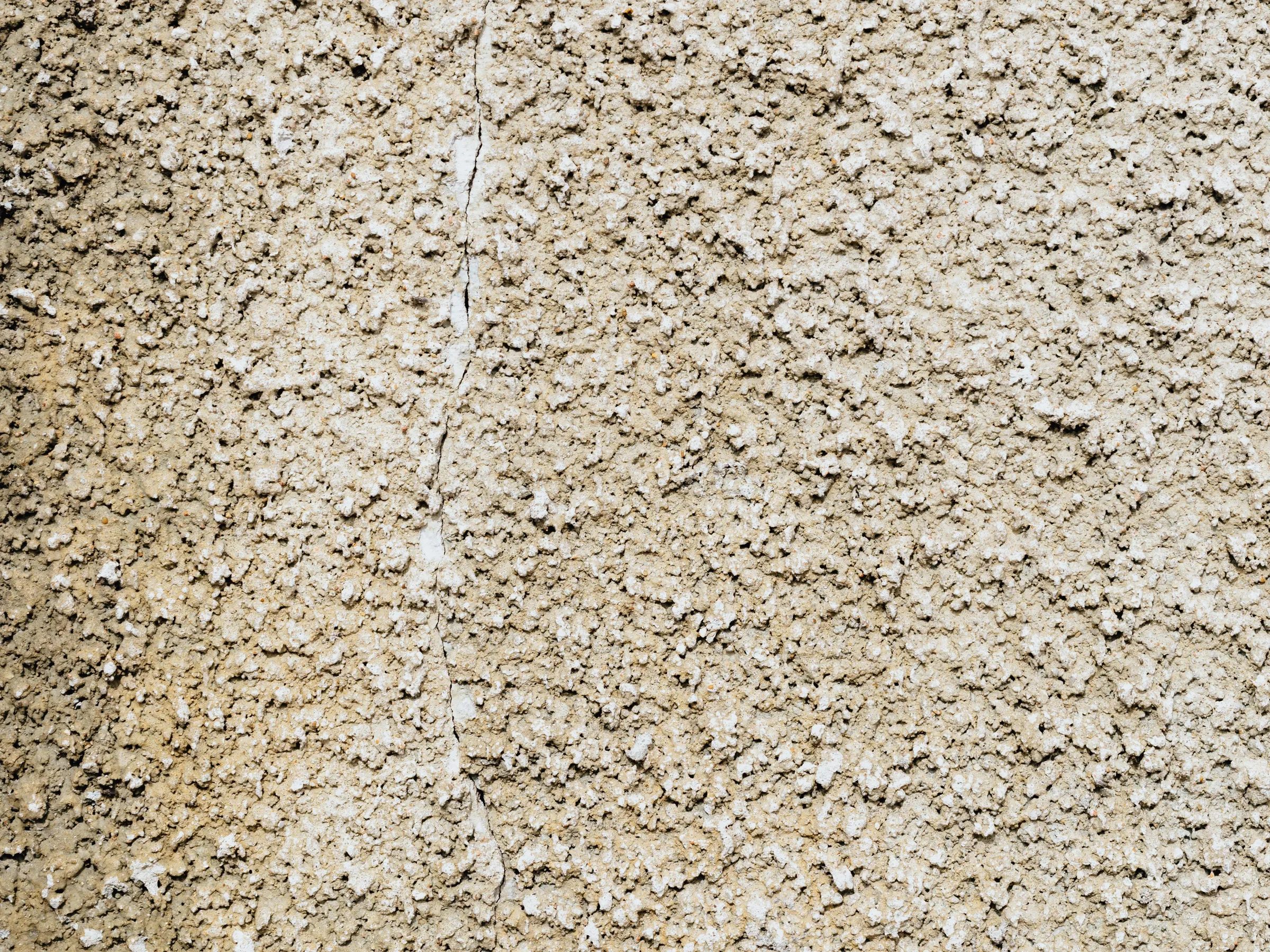
Symptoms
What stucco cracks look like
- Fine hairline cracks in the finish, 1/32 inch wide or less.
- Cracks running out from the corners of windows and doors.
- Long, straight vertical or horizontal cracks through the stucco.
- Cracks wider than 1/32 inch, or many cracks across one wall.
- A crack near the bottom of the wall where the stucco laps onto the foundation.
Last updated
Are cracks in stucco normal?
Some cracking, yes. Cement stucco behaves like concrete in this respect. The Northwest Wall & Ceiling Bureau (NWCB) says portland cement plaster is “always susceptible to the occasional hairline crack no matter how good the design, installation and mix used.” Sto’s specification agrees: “Some degree of cracking is normal in portland cement stucco and should be expected.” Sika goes further on the most common kind, the cracks at the corners of windows and doors: “cracks of this kind are not indications of substandard plasterwork or materials, and should not lead to assumptions that the stucco will not perform properly.”
Normal is not the same as harmless, though. The question is what kind of crack you have.
Hairline or wider: the 1/32-inch line
Sika’s repair procedure gives a practical threshold. Cracks of 1/32 inch or smaller “represent more of an aesthetic nuisance”. Cracks larger than that “could present issues with moisture intrusion and contribute to blistering and/or peeling of finishes.” NWCB says the same thing from the other side: most cracks “are hairline and are only a cosmetic problem and tests combined with field experience has proven they typically pose no significant threat to moisture intrusion.”
The shape matters too. A long, straight vertical or horizontal crack through the stucco “would be a sign of stress relief and may indicate a place where a joint originally should have been incorporated” (Sika). Sto adds that such a crack, left unrepaired, lets the stucco “continue to deteriorate, creating an enlarged path for water intrusion”.
How each kind is repaired
There is no single crack repair. Sika’s procedure says the method should be chosen by “the size/ severity of the cracks and their root cause”. In practice that means:
- Hairline cracks are mostly cosmetic. NWCB notes that elastomeric coatings “can also be used to hide hairline cracks”, with maintenance, vapor permeability and thickness issues to weigh first, and that elastomeric paint “will limit the options of repairs” later.
- Wider and through cracks are repaired in the stucco itself, as part of a stucco repair, with the patch matched to the wall as closely as it allows. NWCB is honest that a perfect match “may be difficult to impossible” and that “A hairline crack may appear between the patch and existing wall.”
- Cracks with water behind them are a different job. A coating will not fix a flashing leak: NWCB “does not believe elastomeric coatings should be used to solve water intrusion problems cause by inadequate flashings.” That is a stucco inspection first, then a repair or remediation.
Once the building is stable, a repaired crack usually stays closed: “If the building is stable and settled, most cracks should not return” (NWCB 600-611). Control joints help limit new cracking but, as NWCB points out, “do not guaranty against cracking.”
Cracks in EIFS are a different question
Synthetic stucco (EIFS) is not cement plaster, and its manufacturers disagree about cracks. Sto: “Cracks are not a normal occurrence in EIFS.” Dryvit: “Most hairline cracks are aesthetic and result from normal building movement.” Both agree the cause comes first; Dryvit’s repair guide says “Before proceeding, the exact cause of cracks should be determined.” See EIFS repair.
For questions about cracks you cannot read yourself, Sika’s advice is to engage “a qualified engineering firm for further investigation.” If water may be involved, the stucco water damage page shows the other signs to look for.
Causes
Why stucco cracks
Cement stucco is always open to the occasional hairline crack, and most hairline cracks are cosmetic. Wider cracks, long straight cracks and a lot of cracking are the ones that can let water in and are worth having looked at.
- Shrinkage as the plaster cures: "Properly mixed and applied cement plaster will shrink very slightly during the initial cure period, this can cause shrinkage cracks" (NWCB 600-610).
- Stress at openings: "The most common cracks occur at the 90° corners of window and door openings as this is the point stresses tend to concentrate" (NWCB 600-610).
- Stress relief where a joint was needed: long straight cracks "may indicate a place where a joint originally should have been incorporated" (Sika).
- Movement between the frame and the foundation, which "will cause cracks in the stucco through which water may penetrate" (Sto).
Urgency
When to worry about a crack
Most hairline cracks are cosmetic and, in NWCB's words, "typically pose no significant threat to moisture intrusion." Cracks wider than 1/32 inch are different: Sika says they "could present issues with moisture intrusion and contribute to blistering and/or peeling of finishes", and Sto warns that a through-crack left unrepaired lets the stucco keep deteriorating, "creating an enlarged path for water intrusion". NWCB's line: "excessive cracking or wide cracks could be an indication of some other problems within the structure or the plaster membrane and should be investigated by qualified persons." If a crack is wide, long and straight, or one of many, an evaluation is the next step.
The fix
How stucco cracks are fixed
Stucco Repair
Repairs to cracks, holes and damaged corners in cement stucco, with patches matched to the existing texture and color as closely as the wall allows.
EIFS Repair
Repairs to EIFS (synthetic stucco): small damage cut out and patched into the existing base coat, and cracks diagnosed before they are repaired.
Stucco Inspection
An evaluation of stucco or EIFS walls before a repair scope is set, including opening the wall at a crack where water is suspected.
Get a Free Estimate
Tell us what you see on your stucco and we will follow up.
Questions, answered
Frequently asked questions
When should I worry about a crack in stucco?
When it is wider than 1/32 inch, long and straight through the stucco, or one of many. Sika says cracks larger than 1/32 inch could let moisture in, and the Northwest Wall & Ceiling Bureau says excessive or wide cracking should be investigated by qualified persons. A bubbling finish near a crack is a further sign that water may have got behind it.
Will an elastomeric coating fix cracked stucco?
It can hide hairline cracks, but it is not a fix for leaks. The Northwest Wall & Ceiling Bureau says elastomeric coatings "can also be used to hide hairline cracks", with maintenance, vapor permeability and thickness issues to weigh first, and that it "does not believe elastomeric coatings should be used to solve water intrusion problems cause by inadequate flashings." It also notes that elastomeric paints limit later repair options.
Do repaired stucco cracks come back?
Not usually, once the building has settled. The Northwest Wall & Ceiling Bureau says: "If the building is stable and settled, most cracks should not return." A hairline line can still show at the edge of a patch.
Get a Free Estimate
Tell us what you see on your stucco and we will follow up.