Stucco Remediation: Removing and Rebuilding Wet Stucco Walls
When water has got behind the stucco, a patch is not the fix. Remediation opens the wall, repairs what is wet and rebuilds it to drain.
Last updated
Remediation is not a patch
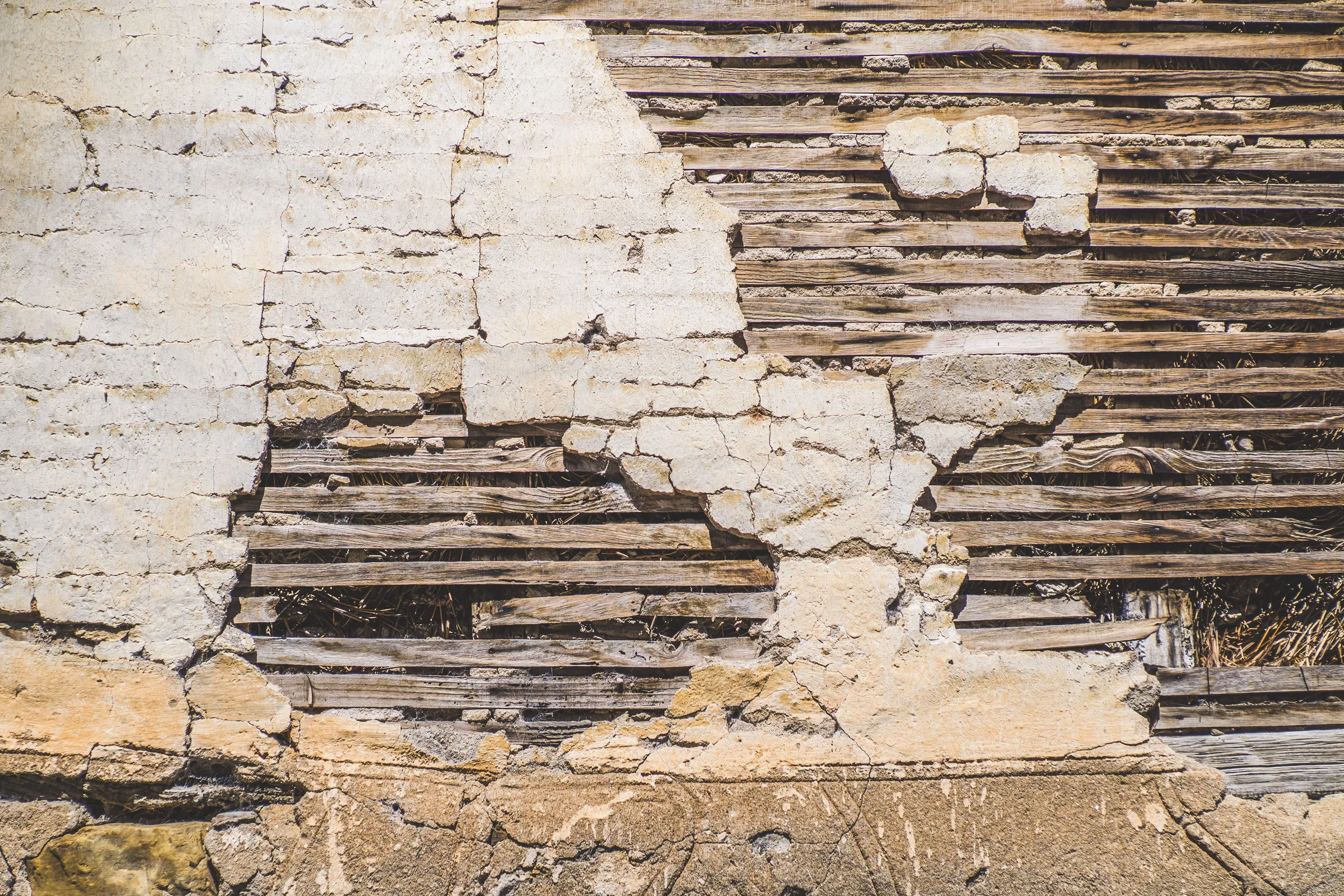
Stucco repair fixes the skin. Remediation is for when water has reached what the skin protects: the sheathing, the framing, the water-resistive barrier. The Northwest Wall & Ceiling Bureau (NWCB) describes the job in its guidance on repairs around windows: stucco “is sometimes removed from a building to determine if proper flashing was installed, replace leaky windows, repair water damaged wood framing members or other reasons that would require the removal of the stucco around windows. It is possible to patch and restore the stucco membrane.”
How much comes off depends on what is found. NWCB’s EIFS guidance gives the range for those houses: “An EIFS home can range from no problems to complete removal of the system. Most homes fall in the middle with some remedial repairs in specific areas of the home.” That is why a remediation scope starts with an evaluation. NWCB again: “A comprehensive evaluation of the exterior plaster should be conducted by qualified persons prior to making any decisions for final scope of repairs.” A stucco inspection is that first step.
Why stucco walls leak
Stucco is not expected to keep out all water. NWCB starts from the assumption “that some incidental moisture will penetrate the outer most cladding of cement plaster (stucco) the same as brick, wood or other sidings”, and the water-resistive barrier behind it is the backup. The common entry points are “penetrations through the stucco membrane such as windows, doors, vents, decks, etc. and cracks wider than what is termed ‘hairline’”. And when NWCB looks at leaking buildings, the cause is consistent: “Investigations into leaking buildings are invariably the result of poor or inadequate flashings or a failure to properly lap flashings and/or WRB.”
Two more details matter at the base of the wall. Stucco run straight down onto concrete “can trap moisture and cause water to enter the building at the top of the foundation”, and the weep screed that lets water out has to stay clear of the ground. The stucco water damage page covers the signs.
What Oregon code requires behind the new cladding
When a wet wall is rebuilt, the new stucco goes back over the layers the code requires. Under the 2023 Oregon Residential Specialty Code (ORSC):
- The barrier. Over wood-based sheathing, the water-resistive barrier is two layers of 10-minute Grade D paper or the equivalent, each “a separate continuous plane”, or one layer of 60-minute Grade D paper or the equivalent separated from the stucco by foam sheathing, another non-water-absorbing layer or a designed drainage space (R703.7.3.1). NWCB’s own advice is the same in short: “Always use two (2) layers of WRB on sheathed walls to receive stucco.”
- The drainage space in this part of Oregon. In 18 listed counties, Multnomah, Washington and Clackamas among them, the barrier also needs “a space or drainage material not less than 3/16 inch (5 mm) in depth” on its outside, or, with the 60-minute option, drainage at least 90 percent efficient (R703.7.3.1.1).
- Oregon’s general drainage gap. Oregon added a requirement that the wall be built so “water entering the assembly can drain to the exterior”, with a space of at least 1/8 inch between the barrier and the cladding, formed with furring, drainage mat or drainage board (R703.1.1). A barrier made to drain and tested to at least 75 percent drainage efficiency is an exception.
- The weep screed. At the base of the wall, “The weep screed shall be placed not less than 4 inches (102 mm) above the earth or 2 inches (51 mm) above paved areas” (R703.7.2.1).
- Kick-out flashing. “Kick-out flashings shall be installed at all wall and roof intersections, such as where a lower roofline terminates against a vertical wall” (Oregon amendment).
- Laps. Barrier courses lap at least 2 inches horizontally and 6 inches at joints.
Which code edition applies
Oregon is between code editions. The Oregon Building Codes Division (BCD) says the 2026 ORSC took effect on October 1, 2026 with a six-month phase-in, becomes mandatory on April 1, 2027, and that during the phase-in “use of the 2023 ORSC or the 2026 ORSC is permitted” (Chapter 1 excepted). The 2026 code is based on the 2024 International Residential Code with Oregon amendments.
What the 2026 edition says about stucco is not fully known yet: as of October 19, 2026, BCD said the integrated 2026 codebook was still being published. The committee that reviewed it recommended keeping Oregon’s drainage-plane amendment and its kick-out flashing rule. Whether the county list above carries into the 2026 code has not been published, so the requirements on this page are cited as 2023 text. Ask your city’s building department which edition it is applying to your permit.
Permits for re-cladding in the metro
Each city decides what needs a permit. Here is what the permit offices that publish a line on it say, word for word:
- Portland. Portland Permitting & Development lists “Replace or repair siding that is not required to be fire-resistant” among outside repairs that do not need a permit, and adds: “Even when a building permit is not needed, the project must meet the Building and Zoning Code requirements.” Portland’s historic and conservation districts add land use review for certain changes. PP&D’s permit page.
- Gresham. The city’s list of projects that do not require permits includes “Replacement or repair of siding not required to be fire-resistive.” It applies “For single-family homes only (no commercial construction): improvement projects don’t require permits if the project doesn’t encroach over a drain system, public utility easement or into required setbacks from property lines.” Gresham’s list.
- Lake Oswego. Removing a large share of the walls changes things: “All residential projects which remove 50% or more of the surface area of exterior walls or perimeter foundation are required to obtain a residential demolition permit, fulfill neighborhood noticing requirements for demolitions, and pay the City’s Demolition Tax.” Lake Oswego Building.
For the other cities in the three counties, this page has no published line to quote, so it does not guess: ask the city’s building department before work starts. The Portland and Gresham lines are about siding; whether your stucco project falls under one is the city’s call.
What makes remediation a bigger job than a repair
No prices are published on this site, because the cost sources checked disagree widely and do not allow their figures to be reproduced. In words, remediation adds steps a patch never has: taking the cladding off where it has to come off, repairing whatever is wet behind it, rebuilding the barrier, the drainage space and the flashing to the code above, and then new stucco over all of it, the same work as new stucco and re-stucco. Where the damage turns out to be small, it may still be a stucco repair.
Before you sign for remediation, check the contractor in the Oregon Construction Contractors Board’s license search.
Signs a wall needs more than a repair
Remediation is the answer when an evaluation finds that water has reached the sheathing or framing behind the stucco.
A bubbling or blistering finish, or water getting in around windows, doors, vents or decks.
Some water always gets past stucco, and the water-resistive barrier behind it is the backup. Leaks are usually traced to flashing, or to how the flashing and the barrier were lapped.
Stucco water damage: causes and fixes
How a remediation request starts
Tell us what you see
Describe the cracks, bubbling or leaks and where they are on the house. Sending a request costs nothing.
We follow up
We get in touch by phone or email to talk through the job.
Your free estimate
Talk through the work and get an estimate. Any fees after it are agreed with you first.
You decide
Before you sign, check the contractor’s license in the public lookup and compare the estimate against your own research. You are under no obligation.
Serving the Portland metro area
Multnomah, Washington and Clackamas counties are all on the 2023 Oregon code's list of counties that need a drainage space behind stucco on wood sheathing.
- Portland, ORMultnomah County
More services
Related services
Stucco Inspection
An evaluation of stucco or EIFS walls before a repair scope is set, including opening the wall at a crack where water is suspected.
New Stucco and Re-Stucco
New three-coat or one-coat stucco and re-stucco, over the lath, water-resistive barrier, weep screed and drainage space Oregon code requires.
Stucco Repair
Repairs to cracks, holes and damaged corners in cement stucco, with patches matched to the existing texture and color as closely as the wall allows.
Questions, answered
Stucco Remediation questions
Can stucco be removed around a window and patched?
Yes. The Northwest Wall & Ceiling Bureau notes that stucco is sometimes removed around windows to check the flashing, replace leaky windows or repair water-damaged framing, and that "It is possible to patch and restore the stucco membrane." Its guidance also warns that the patch may not match the existing color and texture exactly.
Do I need a permit to remove stucco in Lake Oswego?
Possibly. Lake Oswego's building page says: "All residential projects which remove 50% or more of the surface area of exterior walls or perimeter foundation are required to obtain a residential demolition permit, fulfill neighborhood noticing requirements for demolitions, and pay the City's Demolition Tax." Ask the city's Building Department how your project measures against that rule.
Which version of the Oregon code applies to re-cladding right now?
Either, for now. The 2026 Oregon Residential Specialty Code took effect on October 1, 2026 with a six-month phase-in, and until it becomes mandatory on April 1, 2027 the 2023 or the 2026 edition may be used (Chapter 1 excepted), according to the Oregon Building Codes Division. This answer was checked on October 19, 2026.
Get a Free Estimate
Tell us what you see on your stucco and we will follow up.